
Matcha Tea Explained: Why This Bright Green Drink Is Taking Over the Wellness World (and How to Prepare It at Home)
Discover what matcha tea is, how it’s made, its proven health benefits, and why it may support healthy skin. Plus a simple guide to preparing matcha at home.
Every now and then, a tea appears that feels a little different from the rest. Not just another warm drink — but something that invites you to slow down.
For me, matcha is exactly that kind of tea.
Bright green, slightly creamy, gently earthy, and almost meditative to prepare — matcha has been part of Japanese tea culture for centuries. Today it’s also becoming popular around the world among people interested in wellness, mindfulness, and natural nutrition.
But behind the beautiful green color and the café trend, there is something much more interesting: a unique way of growing, processing, and consuming tea that makes matcha truly special.
Let’s explore what matcha really is, how it’s made, what science says about its health benefits, and why many people also connect matcha with healthy, glowing skin.
A Simple Way to Think About Matcha
Most teas are prepared by steeping leaves in water and then removing them.
Matcha works differently.
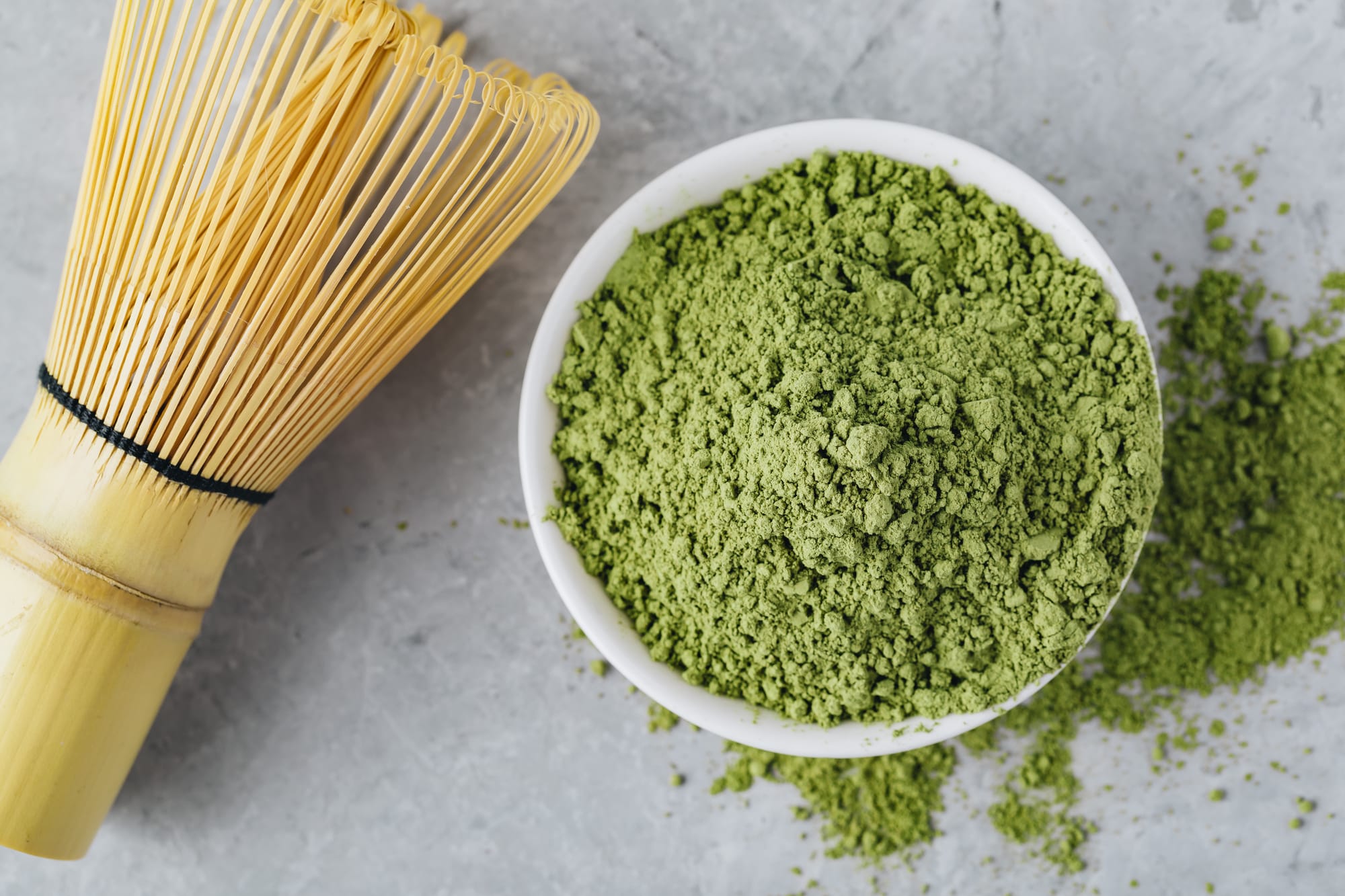
The tea leaves are ground into an extremely fine powder — and when you drink matcha, you are actually consuming the entire leaf.
What Exactly Is Matcha?
Matcha is a powdered form of green tea made from specially cultivated tea plants. The leaves used to produce matcha are known as tencha, and they undergo a very careful growing and processing method that distinguishes them from other teas.
Instead of brewing whole leaves, matcha powder is whisked directly into water, creating a smooth, opaque green drink.
This simple difference changes everything — from flavor to nutritional profile.
Matcha has long been associated with the Japanese tea ceremony (chanoyu), where preparing tea becomes a slow ritual centered around presence and attention.
Even when prepared casually at home, matcha often keeps a little of that quiet ritual feeling.
How Matcha Is Made
The production of matcha begins weeks before the leaves are even harvested.
Step 1 — Shading the Tea Plants
About 3–4 weeks before harvest, tea plants are covered with shade cloths. This reduces sunlight and forces the plant to produce more chlorophyll and amino acids, especially L-theanine.
Step 2 — Harvesting and Steaming
The youngest, most tender leaves are harvested and quickly steamed. This stops oxidation and preserves the bright green color typical of matcha.
Step 3 — Stone Grinding
The dried leaves are slowly ground using traditional stone mills until they become an extremely fine powder. This process is slow and delicate — producing only small amounts of matcha each hour.
The result is a vibrant green powder with a smooth, creamy texture and a distinctive umami flavor.
Why Matcha Is Considered a Nutritional Powerhouse
Because matcha involves consuming the entire leaf, it naturally contains higher concentrations of several beneficial plant compounds compared with typical brewed tea.
Antioxidants in Matcha
Matcha is particularly rich in a group of antioxidants called catechins.
One of the most studied is EGCG (epigallocatechin gallate), which has been researched for its potential roles in protecting cells from oxidative stress and supporting metabolic and cardiovascular health.
Matcha also contains a fascinating natural combination of caffeine and L-theanine.
While caffeine stimulates alertness, L-theanine promotes calmness and relaxation. Together they create a form of energy many people describe as focused but calm.
This is one reason matcha is often favored by people who want a gentler alternative to coffee.
Matcha and Skin Health
Another reason matcha has gained attention in wellness and beauty communities is its rich antioxidant profile.
Oxidative stress is believed to contribute to skin aging, inflammation, and environmental damage.
Compounds found in green tea — especially catechins — are being studied for their potential to support:
- skin elasticity
- protection against environmental stressors
- reduction of visible inflammation
- overall skin vitality
Matcha in Natural Skincare
Some people also use matcha topically in simple homemade masks mixed with ingredients like honey or yogurt. While research on topical matcha is still developing, its antioxidant content makes it an interesting ingredient in natural skincare routines.
How to Prepare Matcha at Home
Preparing matcha may look ceremonial, but once you try it a few times it becomes a simple and calming ritual.
Simple Matcha Recipe
You will need:
- ½–1 teaspoon matcha powder
- 70–80 ml hot water (about 75–80°C)
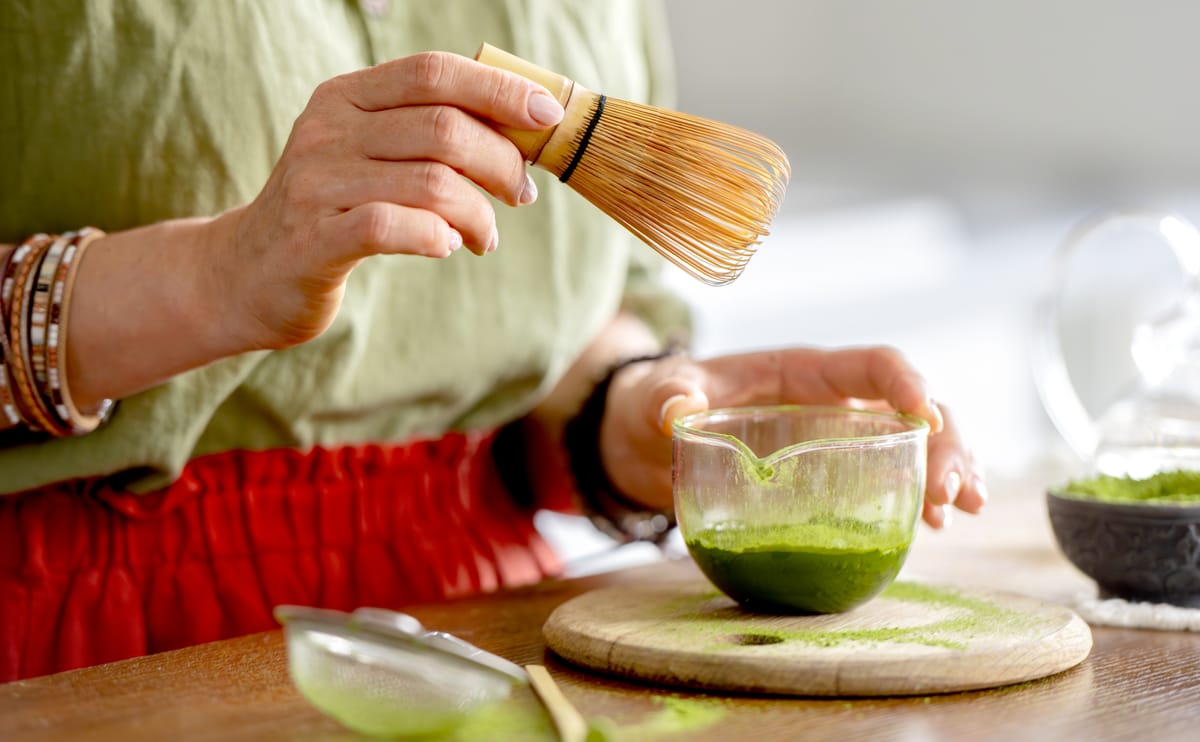
- a small whisk or bamboo chasen
Steps:
- Sift the matcha powder into a bowl.
- Add a small amount of hot water.
- Whisk quickly in a zig-zag motion.
- Continue whisking until a soft foam forms.
If you prefer a softer taste, you can add warm milk to create a creamy matcha latte.
A Quiet Moment in a Cup
One of the things I personally love most about matcha is the small pause it creates in the day.
You measure the powder. You warm the water. You whisk until the surface becomes a soft green foam.
For a moment, everything slows down.
And sometimes that quiet ritual is just as nourishing as the tea itself.
If you’ve never tried matcha before, consider this your gentle invitation to explore it.
A bowl, a whisk, a vibrant green powder — and a few calm minutes just for yourself.