
Green Tea Benefits Explained: Energy, Skin Health & How to Brew It Properly
Discover why green tea is one of the healthiest drinks in the world. Learn how it’s made, its benefits for energy and skin, and how to brew it properly.
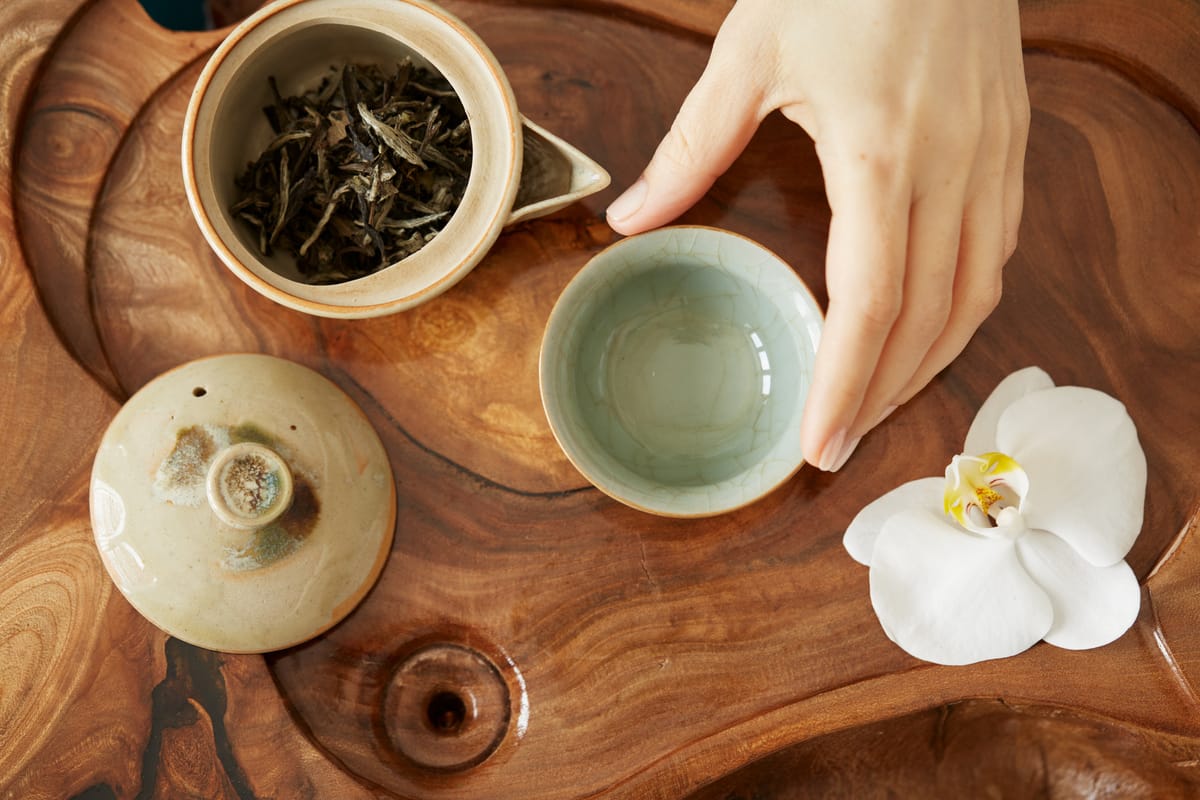
Sometimes the simplest things turn out to be the most powerful.
Green tea is a perfect example of that. A few delicate leaves, warm water, and a quiet moment — that’s all it takes.
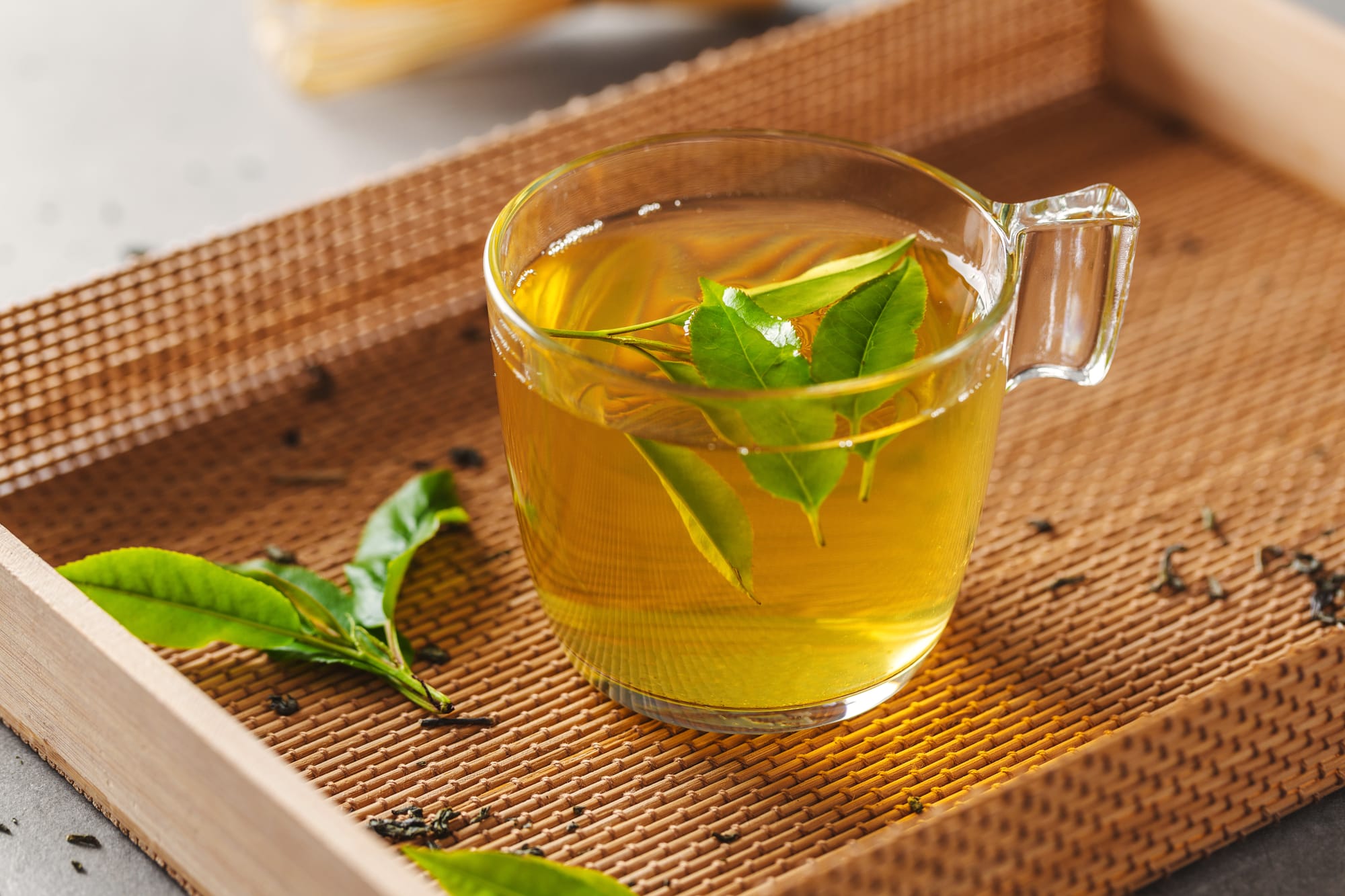
And yet, behind this simple drink lies centuries of tradition and a surprising amount of science. Green tea has been appreciated for generations across China and Japan not only for its gentle flavor, but also for the way it supports energy, focus, and overall wellbeing.
Today it’s one of the most researched beverages in the world — and many people are rediscovering it as a small daily wellness ritual.
Let’s explore what green tea really is, how it’s made, why it’s considered so healthy, and how it may even support healthy skin.
A Cup With Thousands of Years of History
Green tea has been consumed in China for over two thousand years and later became central to Japanese tea culture. What began as a medicinal drink gradually evolved into one of the world’s most beloved daily beverages.
How Green Tea Is Made
All traditional teas — green, black, white, and oolong — come from the same plant: Camellia sinensis. What makes them different is how the leaves are processed after harvest.
Green tea is unique because the leaves are processed quickly to prevent oxidation.
The Key Step: Stopping Oxidation
Soon after harvest, the leaves are heated — either by steaming (common in Japan) or pan-firing (common in China). This step prevents oxidation and preserves the natural green color, fresh aroma, and many of the beneficial plant compounds found in the leaves.
After heating, the leaves are rolled and dried, creating the loose leaf tea most people recognize.
What Green Tea Contains
Green tea is valued not just for its taste but also for its rich composition of natural compounds.
Among the most interesting are:
- Catechins – powerful antioxidants
- EGCG (epigallocatechin gallate) – one of the most studied plant antioxidants
- L-theanine – an amino acid associated with calm focus
- Caffeine – providing gentle stimulation
- Polyphenols – compounds linked to various health benefits
Calm Energy Instead of Jitters
Green tea contains less caffeine than coffee, but the presence of L-theanine may help create a smoother, more balanced form of alertness. Many people describe it as “calm energy” — focused but relaxed.
Why Green Tea Is Often Considered a Wellness Drink
Modern research continues to explore the potential benefits of green tea. While it’s not a miracle cure, its natural compounds may support several aspects of health.
Studies suggest green tea consumption may help support:
- healthy metabolism
- cardiovascular health
- balanced energy levels
- cellular protection against oxidative stress
But perhaps one of its most interesting effects is how it combines mild stimulation with relaxation — making it a perfect companion for work, reading, or quiet moments during the day.
Green Tea and Skin Health
Green tea is also gaining attention in the world of skincare and beauty.
The antioxidants found in green tea — particularly catechins — may help protect the skin from oxidative stress caused by environmental factors such as pollution or UV exposure.
Research suggests these compounds may contribute to:
- supporting skin elasticity
- helping reduce visible redness and inflammation
- protecting skin cells from oxidative damage
- supporting overall skin vitality
Green Tea in Natural Beauty
Green tea extracts are now commonly used in skincare products such as serums, creams, and face masks. Some people also prepare simple homemade green tea tonics or compresses as part of natural beauty routines.
How to Brew Green Tea Properly
Many people believe they don’t like green tea — when in reality they’ve only experienced poorly brewed green tea.
Water that is too hot can make green tea taste bitter and harsh.
Simple Green Tea Brewing Guide
You will need:
- 1 teaspoon loose leaf green tea
- 200 ml hot water
- water temperature: about 70–80°C (158–176°F)
Steps:
- Pour water over the tea leaves.
- Steep for about 2–3 minutes.
- Strain and enjoy.
A Small Wellness Ritual
One of the things I love most about green tea is how easily it becomes part of a daily rhythm.
You warm the water.
You watch the leaves slowly unfold.
You take a quiet sip.
For a few minutes, the pace of the day softens.
And sometimes that small ritual — repeated day after day — becomes one of the simplest forms of everyday wellness.