
Cinnamon and Health: What This Ancient Spice May Actually Do for the Body
Cinnamon has been used for centuries not only as a spice but also as a traditional remedy. Modern research suggests it may support heart health, reduce inflammation, and help regulate blood sugar levels.
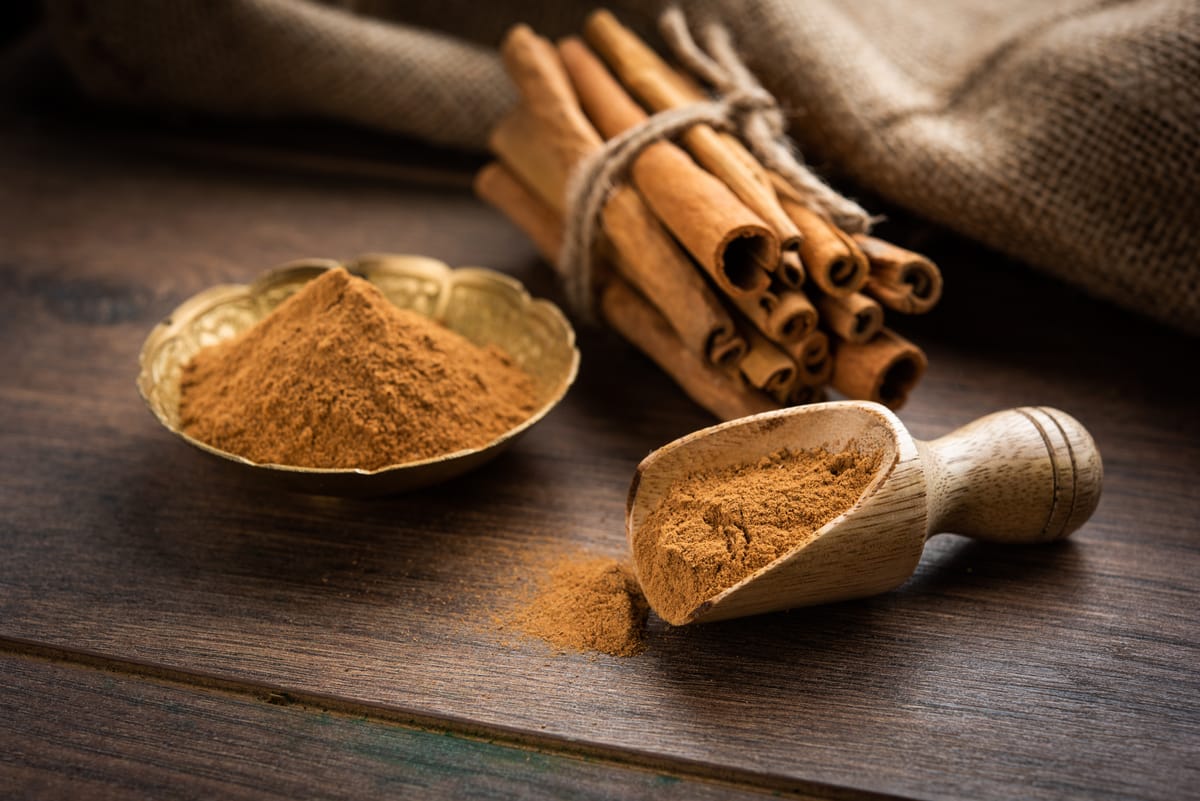
Few spices are as beloved — and as studied — as cinnamon. Its warm aroma fills kitchens around the world, but this humble spice may also offer several health-supporting properties.
For thousands of years cinnamon has been valued not only for flavor, but also for its traditional medicinal uses. Ancient cultures used it to support digestion, circulation, and general vitality.
Modern research is now exploring how compounds found in cinnamon — including polyphenols and cinnamaldehyde — may influence inflammation, blood sugar regulation, and cardiovascular health.
Cinnamon and Heart Health
Research suggests cinnamon may help improve lipid profiles by reducing triglyceride levels and supporting a healthier balance between HDL (“good”) and LDL (“bad”) cholesterol.
High triglyceride levels are associated with increased cardiovascular risk, and some studies have reported noticeable reductions in individuals who regularly consumed cinnamon as part of their diet.
Some clinical analyses have also observed modest reductions in blood pressure in people supplementing cinnamon, suggesting a possible supportive role in cardiovascular wellness.
Blood Sugar Regulation
One of the most widely studied effects of cinnamon is its potential influence on glucose metabolism.
Some clinical studies suggest cinnamon may improve insulin sensitivity and help reduce fasting blood glucose levels in individuals with type 2 diabetes. While it should never replace medical treatment, it may be a useful addition to a balanced diet.
Anti-Inflammatory Properties
Cinnamon contains natural compounds with anti-inflammatory properties. These compounds may help reduce inflammatory signaling in the body, which is important because chronic inflammation is linked to many long-term health conditions.
Research has explored cinnamon’s potential effects on inflammatory markers such as C-reactive protein (CRP) and other molecules involved in immune response.
Cinnamon and Liver Health
Some experimental and clinical studies have suggested that cinnamon compounds may support liver function and help protect liver cells from certain types of metabolic stress.
This area of research is still developing, but early findings suggest cinnamon may have a supportive role in metabolic health.
How Much Cinnamon Is Typically Used?
Many studies exploring cinnamon’s health effects have used daily amounts of roughly 2–3 grams of cinnamon.
This equals approximately three-quarters of a teaspoon of ground cinnamon.
When possible, many nutrition experts recommend choosing Ceylon cinnamon, which contains significantly lower levels of coumarin than the more common Cassia cinnamon.
Educational purposes only. Cinnamon may interact with medications and may not be appropriate for everyone. Always consult a healthcare professional before using spices therapeutically.