
Building a Home Herbal Apothecary: 10 Essential Herbs to Start With
A practical, beginner-friendly guide to building your first home herbal apothecary — featuring 10 evidence-based, versatile herbs and clear safety guidance to help you start with confidence.
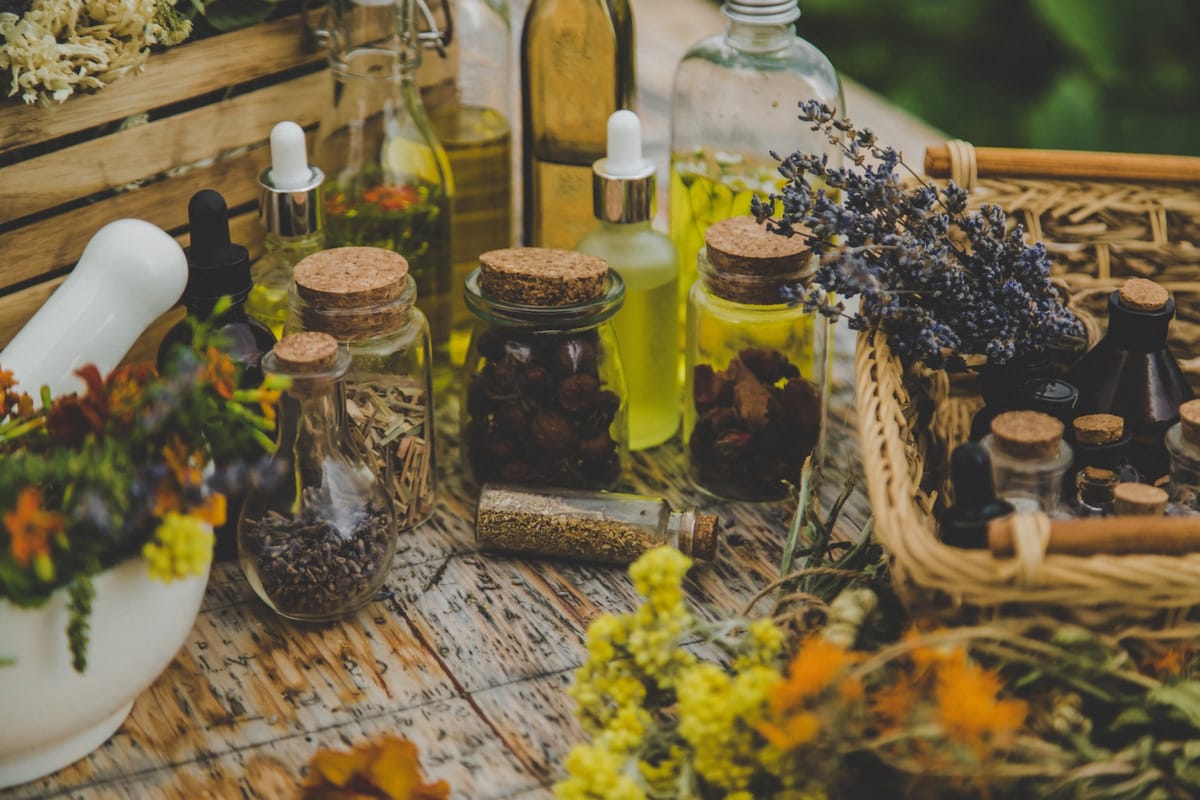
If you're stepping into herbalism for the first time, this guide will help you build a simple, safe, and evidence-based herbal apothecary — without overwhelm.
There’s something deeply grounding about opening a small cabinet and seeing jars of dried herbs lined up neatly inside. Not because it looks aesthetic on a kitchen shelf (though it does), but because each jar represents knowledge. Intention. Care.
If you’re just stepping into herbalism, building a home herbal apothecary can feel overwhelming. Do you need twenty herbs? Exotic powders? Rare roots imported from across the world?
You don’t.
A well-built beginner apothecary is simple, practical, and grounded in safety. Below you’ll find ten versatile herbs that are widely used, generally well tolerated, and supported by both traditional use and modern research.
What Makes an Herb Beginner-Friendly?
- Long-standing traditional use
- Support in modern clinical research
- Relatively good safety profile when used appropriately
- Multiple preparation options (tea, tincture, topical)
- Accessible from reputable suppliers
Even gentle herbs can interact with medications or medical conditions. Always consider personal health factors.
Chamomile (Matricaria chamomilla)
Chamomile is often underestimated because it’s familiar. Research supports its use for mild anxiety, digestive discomfort, and sleep support. It has anti-inflammatory and mild antispasmodic properties.
Best form: Tea (infusion)
Use for: Stress, bloating, bedtime wind-down
Safety note: Avoid if allergic to Asteraceae plants.
Peppermint (Mentha × piperita)
Peppermint is one of the most studied herbs for digestive support. Clinical trials show benefit for IBS-related discomfort and functional bloating.
Best form: Tea or enteric-coated capsules
Use for: Bloating, nausea, tension headaches
Safety note: May worsen acid reflux in some individuals.
Lemon Balm (Melissa officinalis)
A gentle nervine that supports the nervous system. Research suggests benefits for mild anxiety, restlessness, and cognitive performance under stress.
Best form: Tea or tincture
Use for: Stress, mild insomnia
Safety note: Use cautiously in thyroid disorders.
Ginger (Zingiber officinale)
Backed by strong evidence for nausea relief, including pregnancy-related nausea. It also supports circulation and digestive function.
Best form: Fresh decoction or capsules
Use for: Nausea, cold sensitivity
Safety note: High doses may interact with anticoagulants.
Calendula (Calendula officinalis)
Primarily used topically, calendula supports wound healing and soothes irritated skin.
Best form: Infused oil or salve
Use for: Minor cuts, dry or inflamed skin
Safety note: Primarily for external use.
Lavender (Lavandula angustifolia)
Supported by research for anxiety reduction and sleep quality improvement. Effective both as tea and in properly diluted aromatherapy.
Best form: Tea or diluted essential oil for inhalation
Use for: Stress, sleep
Safety note: Do not ingest essential oils without supervision.
Echinacea (Echinacea purpurea)
Most useful at the early onset of respiratory infections. Evidence suggests it may reduce duration of common colds.
Best form: Tincture
Use for: Short-term immune support
Safety note: Not intended for long-term daily use.
Holy Basil (Tulsi) (Ocimum sanctum)
Traditionally considered an adaptogen. Emerging research suggests stress-modulating and anti-inflammatory properties.
Best form: Tea or tincture
Use for: Stress resilience
Safety note: May influence blood sugar levels.
Valerian (Valeriana officinalis)
One of the most researched herbs for sleep support. May reduce sleep latency.
Best form: Capsule or tincture
Use for: Occasional insomnia
Safety note: Rare paradoxical stimulation possible.
Nettle (Urtica dioica)
Nutrient-dense and traditionally used for seasonal allergies and mineral support.
Best form: Long infusion tea
Use for: Seasonal support, nourishment
Safety note: May interact with diuretics or blood pressure medications.
If You Want to Start Today
- Begin with chamomile, peppermint, and lemon balm.
- Store them in airtight glass jars away from light.
- Start with teas before experimenting with tinctures.
- Observe how your body responds and take notes.
Educational purposes only. This article does not replace professional medical advice. Consult a qualified healthcare provider before starting new herbal preparations, especially if pregnant, nursing, or taking medications.