
Before You Buy That Adaptogen Blend, Read This
Adaptogens are often marketed as stress “miracle herbs.” But what does the term actually mean? This evidence-based guide explains what adaptogens are, how they may influence stress physiology, and who should — and shouldn’t — consider using them.
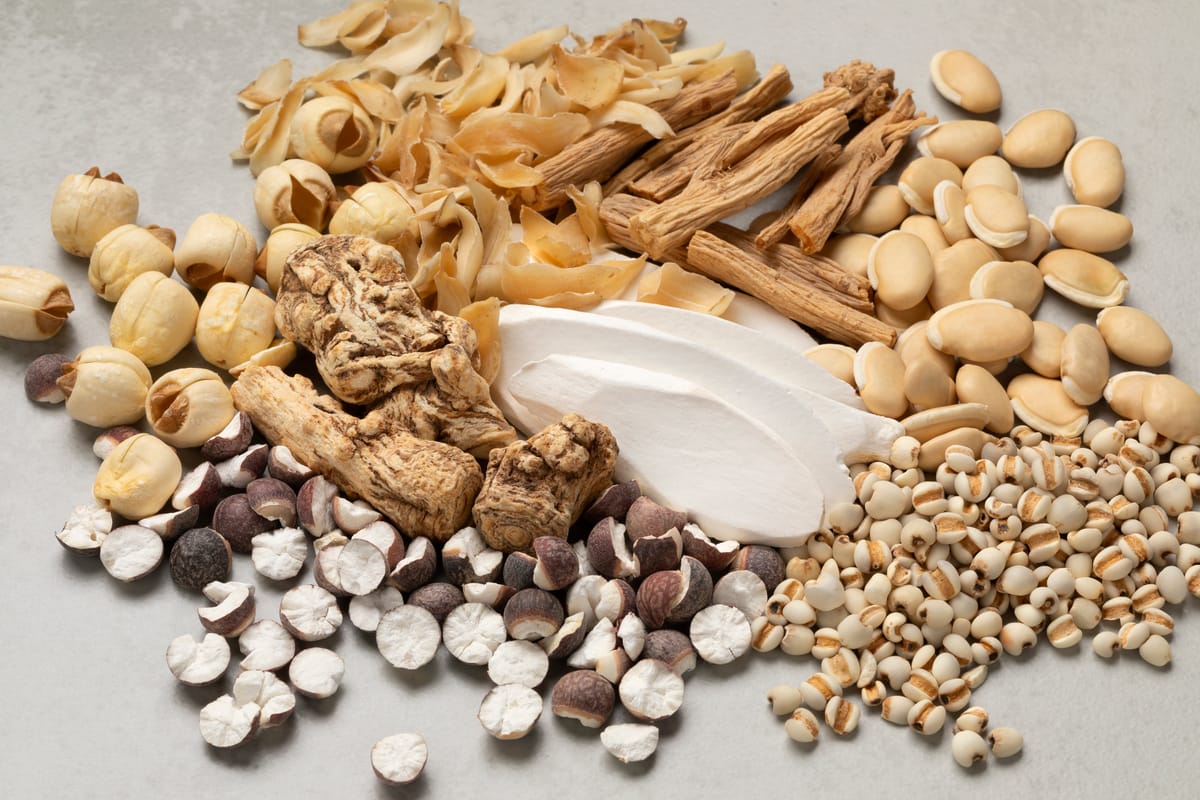
Adaptogens Explained: What They Are and Who They’re For
Adaptogens aren’t magic. They don’t “fix” stress. But certain plants may help the body regulate how it responds to stress — and that’s where their real value lies.
The word adaptogen has become a wellness buzzword. It appears on coffee blends, protein powders, tinctures, and skincare. But the concept didn’t start in marketing — it started in pharmacological research in the mid-20th century.
The term was first proposed by Russian scientist Dr. Nikolai Lazarev in 1947, and later refined by Dr. Israel Brekhman. Their goal was to describe substances that increase “non-specific resistance” to stress — without causing harm.
That original definition is much narrower — and more serious — than modern branding suggests.
The Classical Definition of an Adaptogen
To qualify as an adaptogen, a substance must:
- Increase resistance to physical, chemical, or biological stress
- Have a normalizing influence on physiology (bidirectional effect)
- Be safe and non-toxic at therapeutic doses
Very few herbs strictly meet all three criteria based on modern clinical standards.
How Adaptogens May Work
Most adaptogens appear to influence the hypothalamic–pituitary–adrenal (HPA) axis, which regulates cortisol and stress response. Some also interact with neurotransmitters, inflammatory pathways, and mitochondrial energy metabolism.
Importantly, adaptogens do not “block” stress. Instead, they may modulate how intensely and how long the body responds to it.
Ashwagandha (Withania somnifera)
Ashwagandha is one of the most studied adaptogens. Multiple randomized controlled trials suggest it may reduce perceived stress and lower serum cortisol levels in chronically stressed adults.
Meta-analyses indicate moderate evidence for reducing stress and anxiety symptoms when standardized extracts are used.
Best for: Chronic stress, elevated cortisol
Evidence level: Multiple RCTs and meta-analyses
Safety note: Use caution in thyroid disorders and autoimmune conditions; avoid in pregnancy unless supervised.
Rhodiola (Rhodiola rosea)
Rhodiola has been studied for stress-induced fatigue, burnout, and cognitive performance under stress. Clinical trials suggest improvements in mental fatigue and stress resilience.
Best for: Stress + fatigue combination
Evidence level: Moderate human trial data
Safety note: Can be stimulating; avoid late in the day.
Eleuthero (Eleutherococcus senticosus)
Often called “Siberian ginseng,” eleuthero was heavily studied in Soviet research for endurance and stress adaptation. Modern data suggest potential benefits in fatigue and physical performance, though evidence is less robust than ashwagandha.
Best for: Physical stress and fatigue
Evidence level: Mixed; more traditional than modern RCT-based
Safety note: May raise blood pressure in some individuals.
Holy Basil (Tulsi) (Ocimum sanctum)
Emerging clinical research suggests holy basil may reduce stress symptoms and improve mood balance. Human trials are promising but smaller in scale.
Best for: Mild stress, metabolic stress
Evidence level: Early but promising
Safety note: May influence blood sugar levels.
What Adaptogens Are Not
- They are not stimulants like caffeine.
- They are not sedatives.
- They do not eliminate stress.
- They are not replacements for therapy or medical treatment.
Who Might Benefit
- Individuals with chronic psychological stress
- People experiencing stress-related fatigue
- Those with high perceived stress levels
- People with stress-related sleep disturbance (adjunct use)
Who Should Be Cautious
- Pregnant or breastfeeding individuals
- People with autoimmune disorders
- Individuals taking thyroid medication
- Those on psychiatric medications
How to Use Adaptogens Responsibly
- Choose one standardized extract at a time.
- Use evidence-based doses from reputable manufacturers.
- Evaluate effects over 4–8 weeks.
- Discontinue if adverse effects occur.
Educational purposes only. Adaptogens may interact with medications or medical conditions. Consult a qualified healthcare provider before beginning supplementation.